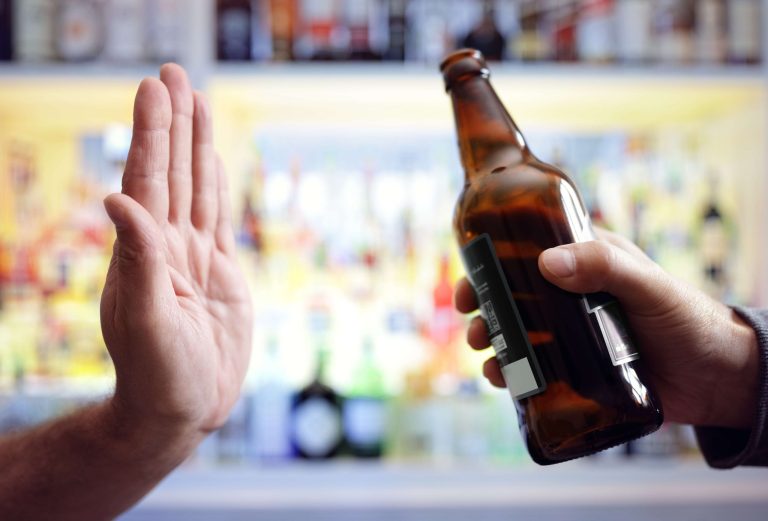
Open communication with your doctor ensures both the efficacy and safety of your LDN therapy remain intact. Naltrexone works by blocking opioids and endorphins from acting on the opioid receptors in your brain. This stops them from producing the pleasurable and rewarding feelings you would typically get from naltrexone side effects taking opioids or drinking alcohol. Drinking alcohol can also produce pleasurable and rewarding feelings. These feelings partly occur because alcohol increases your body’s production of endorphins.
Avoid Starting LDN Without Medical Supervision
If you start taking LDN while using these medicines, the opioid component can react with naltrexone, resulting in harmful and uncomfortable withdrawal symptoms. Naltrexone is a type of medication used to treat opioid use disorder (OUD) and alcohol use disorder (AUD). It’s an opioid antagonist, which means it blocks the opioid and endorphin receptors in the body, reducing a person’s cravings for substances like opioids and alcohol. Low-dose naltrexone (LDN) http://limousin.sgen-cfdt.fr/2024/03/22/why-do-my-seasonal-allergies-seem-worse-when-i/ has gained popularity in recent years as a promising treatment for various conditions, from chronic pain and fatigue to fibromyalgia and autoimmune diseases.
Precautions When Taking LDN
By calming overactive immune cells, it helps reduce inflammation and is increasingly used in treating autoimmune disorders. However, this immune-boosting effect can conflict with medications that suppress the immune system. Naltrexone is used along with counseling and social support to help people who have stopped drinking alcohol and using street drugs continue to avoid drinking or using drugs.
Avoid Certain Supplements
Call your doctor if you have any unusual problems while taking this medication. Suboxone, which is buprenorphine and naloxone, is a daily pill that is taken before a person goes through detox or continued after detox and during recovery. It’s considered a replacement medication, like methadone, because it is a partial agonist. The downside to Suboxone, though, is that it must be taken orally on a daily basis. The pill form of naltrexone (ReVia, Depade) can be taken at 50 mg once per day.
- If you happen to take an opioid when taking Naltrexone, make sure you stop Naltrexone and talk with a healthcare provider to determine what is the best action to take.
- Furthermore, the National Institute on Drug Abuse has warned about the dangers of mixing opioids and opioid antagonists like LDN, stating that it can lead to immediate withdrawal symptoms.
- Consequences may include problems with family or friends, problems at work, or negative physical and mental health impacts.
This medication may be prescribed for other uses; ask your doctor or pharmacist for more information. Assure Recovery is a premier, evidence-based drug rehab and alcohol treatment center. Skip the missed dose if more than 12 hours have passed since your scheduled time.
Coconut Oil for Crepey Skin: Benefits and How to Use It
- Naltrexone is prescribed after you’ve stopped taking opioids or drinking alcohol to help keep you from misusing these drugs again.
- Patients should avoid opioids, alcohol, and recreational drugs while also paying close attention to potential drug interactions to optimize LDN’s therapeutic effects.
- Liver disease requires intensive monitoring during low dose naltrexone therapy, as naltrexone can elevate liver enzymes and potentially worsen existing liver conditions.
So, take the first step towards a pain-free and healthier life by exploring LDN as a potential treatment option. Furthermore, regular medical consultations enable healthcare professionals to assess the treatment’s efficacy and make necessary adjustments. Patients heroin addiction are encouraged to maintain open communication with their doctors and report any changes in symptoms or quality of life. Keeping a journal documenting symptomatology can aid in this process, providing valuable insights into the treatment’s effectiveness and any common side effects experienced.